The line on New Jersey's Seller's Property Condition Disclosure Statement about underground storage tanks looks like every other line on the form. One box to check, one paragraph of explanation if you check yes. Most sellers don't think about it until their attorney calls partway through review, asking whether the seller ever heated the home with oil.
In a lot of Nutley, the answer is yes, even if the current owner has never once bought a delivery of fuel oil. That single fact, discovered at the wrong moment in a transaction, can cost a seller weeks and negotiating leverage. Discovered earlier, it costs a phone call and a few hundred dollars. The tank itself rarely changes. The timing does.
Why This Shows Up So Often in Nutley
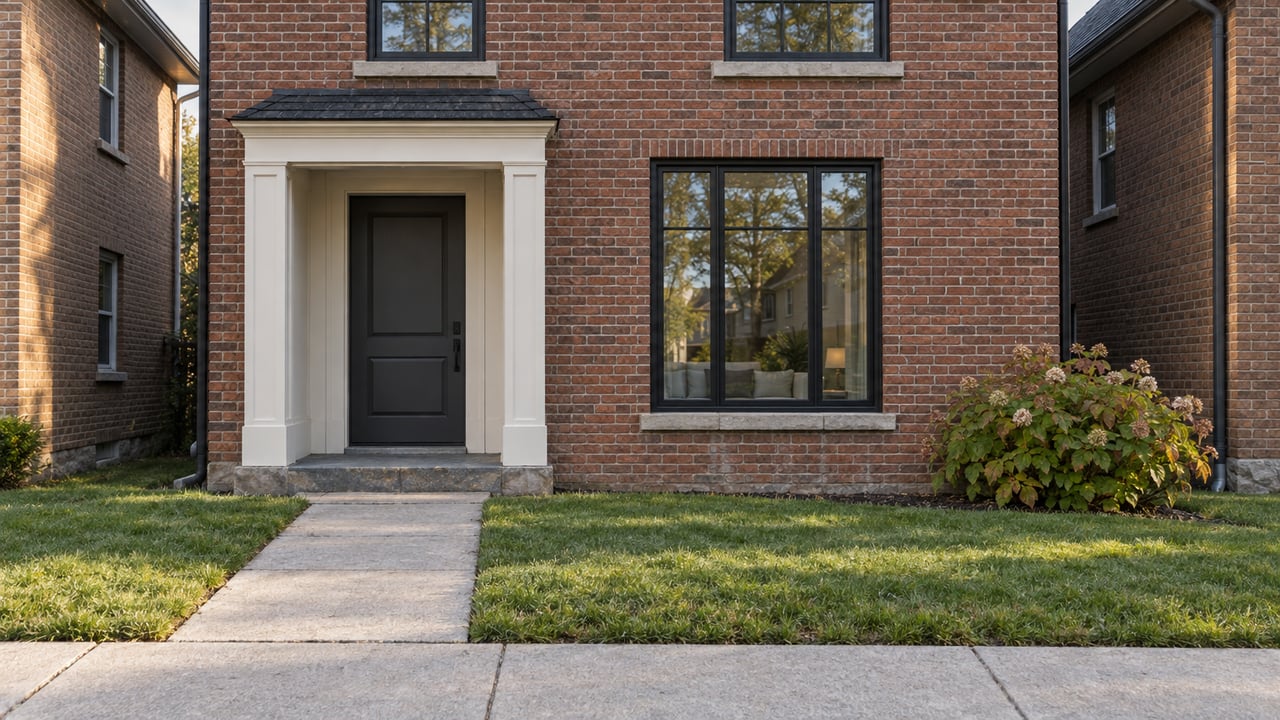
An underground oil tank isn't an unusual find in an older New Jersey home. It's expected. What makes Nutley worth a closer look is how much of the town's housing stock actually falls into that older category. Census-derived housing figures put Nutley's median year of construction at 1953, with roughly 31 percent of homes built before 1940 and another substantial share going up in the postwar wave of capes and ranches that continued into the 1960s. Add those two eras together and you're looking at the majority of homes in town, not a fringe case. Neighborhood-level data from NeighborhoodScout backs this up at the block level too, describing sections like Nutley North and the Town Center as dominated by homes built between 1940 and 1969, with a meaningful share older still.
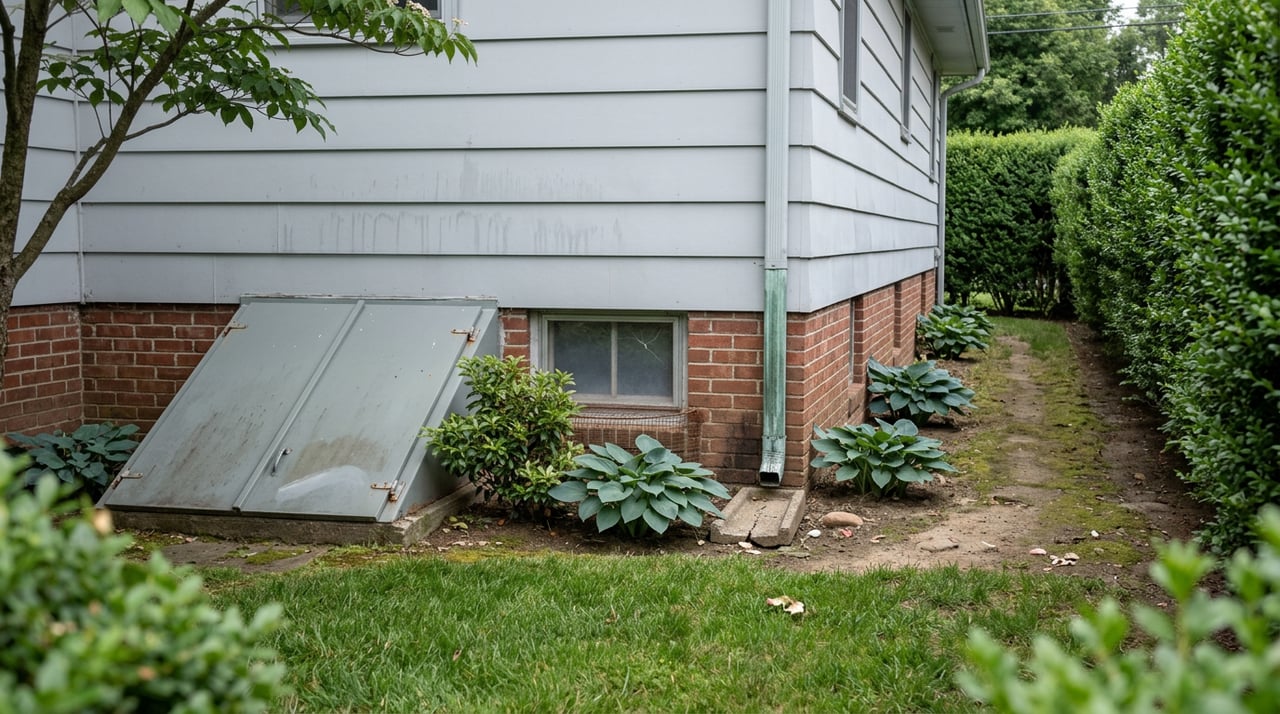
That matters because homes from this era were routinely heated with oil before the shift to natural gas, and the tank that fed the furnace didn't always leave with the furnace. Many were simply abandoned in place, capped and forgotten, sometimes decades before the current owner ever bought the house. A seller who has lived in a Yantacaw or Cambridge Heights colonial for fifteen years, heating the whole time with gas, can still be sitting on a tank nobody has looked at since the Ford administration.
What Nutley Township Actually Requires
Nutley has its own posted oil tank abandonment policy that spells out how the township handles them, and it's more specific than most sellers expect. A few details worth knowing before you assume you can handle this quietly on your own:
- Homeowners are permitted to work on above-ground tanks themselves, but not underground ones. Any UST work requires a certified contractor.
- Filling a tank in place with inert material, rather than removing it, is only allowed for residential properties, and only after either negative soil sample results or a tank integrity test completed within the prior 30 days.
- Tanks located under township sidewalks, roads, or rights of way must be removed outright. Filling in place isn't an option there.
- A township inspector has to sign off on the excavation before backfilling and inspect the tank again before it leaves the site.
None of this is exotic, but it does mean the process runs through Nutley's own Code Enforcement office, not just a contractor's paperwork. A seller who assumes any licensed New Jersey tank company can wrap this up in a single visit, without a township inspection step, is planning around the wrong process.
The Real Cost Isn't the One You're Budgeting For
Here's where the numbers can mislead a seller who only looks at the headline figure. Based on 2026 pricing published by several New Jersey environmental contractors, the actual removal work is not the expensive part:
| Scenario | Typical 2026 cost range |
|---|---|
| Sweep and soil test, no tank found | $500 to $1,200 |
| Standard underground removal, no contamination | $1,500 to $3,500 |
| Remediation after a confirmed discharge | $5,000 to $30,000 or more, with a statewide median cleanup cost near $20,000, and severe cases exceeding $100,000 |
A company like ATS Environmental, which has performed sweeps across every Essex County municipality including Nutley, can usually get a technician out same day or next day with a report in hand before they leave the property. That part of the process is fast and inexpensive by design.
The expensive part only shows up if the sweep finds a tank that's actually leaked. And this is where a fact most sellers never check becomes relevant: New Jersey's own remediation assistance program is not built for transaction timelines. The state created the Petroleum Underground Storage Tank Remediation, Upgrade and Closure Fund back in 1997 to help owners of leaking tanks cover cleanup costs, but the Department of Environmental Protection's own program page states plainly that new applications are being date-stamped and processed only as funding becomes available, with a posted backlog of roughly a year just to have an application reviewed. A backlog measured in a year or more tells you everything about whether this fund can rescue a live transaction. If contamination turns up two weeks before your closing date, state assistance is not going to arrive in time to help you close on schedule. You will be paying out of pocket, negotiating a credit, or delaying the deal.
That's the actual lesson in the cost table. The tank itself is cheap to deal with. A discharge is expensive to deal with. And the safety net that's supposed to soften that expense operates on a calendar that has nothing to do with your closing date.
What New Jersey's Disclosure Form Asks You to Admit
The official form published by the Division of Consumer Affairs asks directly about underground storage tanks and any related soil contamination, current or historical. Nolo's guide to New Jersey home seller disclosures says selling a home "as is" does not remove the duty to disclose known latent defects like an old underground oil tank.
There's also a specific trap worth knowing about if you converted from oil to gas years ago and assumed that closed the book. The Oil Tank Removal NJ guide says that if you converted from oil to gas years ago and assumed that closed the book, a later claim of "I had no idea" may not hold up if a tank turns up during a buyer's inspection.
Practically, that means the honest move and the strategic move are the same move. Get ahead of the question rather than hoping it never comes up.
The Sequence That Keeps You in Control
The difference between a manageable tank issue and a deal-threatening one usually comes down to who discovers it and when. A seller who orders a sweep before listing controls the schedule, gets to shop quotes, and can fold the cost into pricing or pre-listing repairs. A buyer's inspector who finds it after an accepted offer hands that same discovery to someone with leverage and a closing date on the line.
A reasonable order of operations for a Nutley home that predates the 1970s conversion wave:
- Order a tank sweep before you list, even if you've heated with gas the whole time you've owned the home.
- If nothing turns up, keep that report on file. It answers the disclosure question cleanly and heads off a repeat sweep during buyer due diligence.
- If a tank is found but hasn't leaked, get written removal quotes and schedule the work on your timeline, following Nutley's permit and inspection process, not the buyer's.
- If a discharge is found, start the paperwork immediately. Soil testing and cleanup are part of the process, and buyers, attorneys, and title companies will actually ask to see documentation that the leak was found and properly closed out before they will move toward closing.
- Keep every permit and inspection record from the process. A closed permit with the township is frequently the difference between a smooth closing and a stalled one.
Quick Answers for Nutley Sellers
Do I have to remove an underground oil tank before selling in New Jersey? Most buyers, lenders, and title companies will require documentation, removal, or an escrow arrangement before they'll close, so in practice it functions as a requirement.
What if I've never used oil heat myself? If a prior owner did and the tank was never documented as removed, Long Hill Contracting's guide says New Jersey sellers must disclose any known underground storage tank.
Will my homeowner's insurance cover a leak? Standard policies typically exclude oil tank leaks, according to multiple New Jersey environmental contractors. Some policies carry a specific oil tank endorsement, which is worth confirming with your carrier before you assume you're covered.
If you're weighing when to list an older Nutley home and want a clear read on what a tank sweep, a disclosure form, or a township permit process actually means for your timeline, that's the kind of groundwork Donna Keena walks sellers through before a property ever hits the market. Get your free home valuation and start the conversation with someone who knows this town's housing stock street by street.
This article is general information, not legal, tax or financial advice. Consult a qualified professional about your situation.