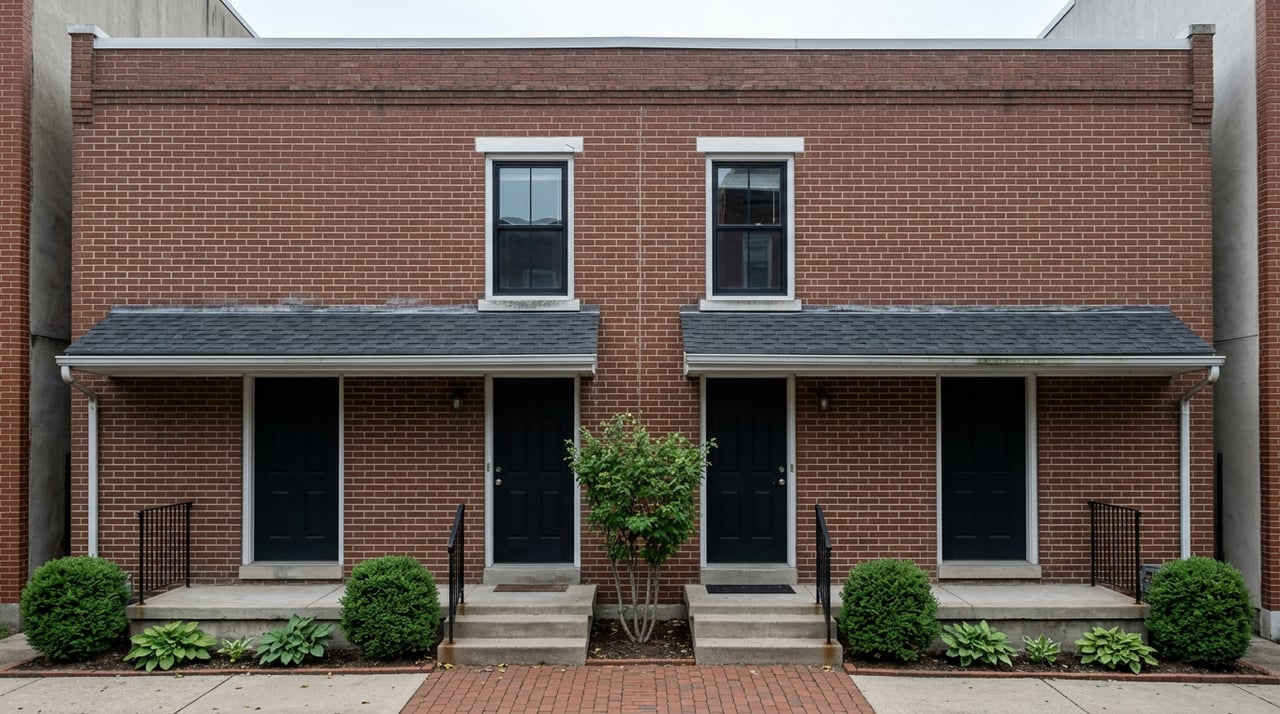
Say you're underwriting a two-family purchase in Belleville. You pull up the numbers, then you do what everyone does and search "Belleville rent control" to figure out how fast you can push rents once you own the place. RentCheckMe's tenant-rights guide tells you Belleville has no rent control ordinance at all. RentCheckMe's rent-control guide cites a 4 percent annual cap on buildings with four or more units. The third, which happens to be the township's own website, says something different from both: a 5 percent cap, and it doesn't apply to your property in the first place.
None of these sources is exactly lying. They're just describing different buildings, and the confusion itself tells you something the median-price listing never will.
Three Sites, Three Different Answers
Belleville's Rent Leveling Board is real. It's codified in Chapter 12 of the township code, it has a chair and a meeting schedule, and its origin story goes back to 1974, when the governing body found that "a housing crisis existed and that the demand for increases in rent were exorbitant, speculative and unfair." The board still reorganizes every July.
The ordinance itself, as written in the township's code, caps rent increases at 5 percent in any twelve-month period. That figure is confirmed on Belleville's own Rent Leveling Board page, which states the rule plainly: landlords may not raise rent more than 5 percent annually, and the board only steps in when a dispute exceeds that cap.
Here's the sentence that actually matters if you're buying: the same official page states the ordinance "does not apply to single-family homes, two-family homes, or three-family homes." Not a loophole. Not a gray area open to interpretation. A direct exemption, stated by the township itself.
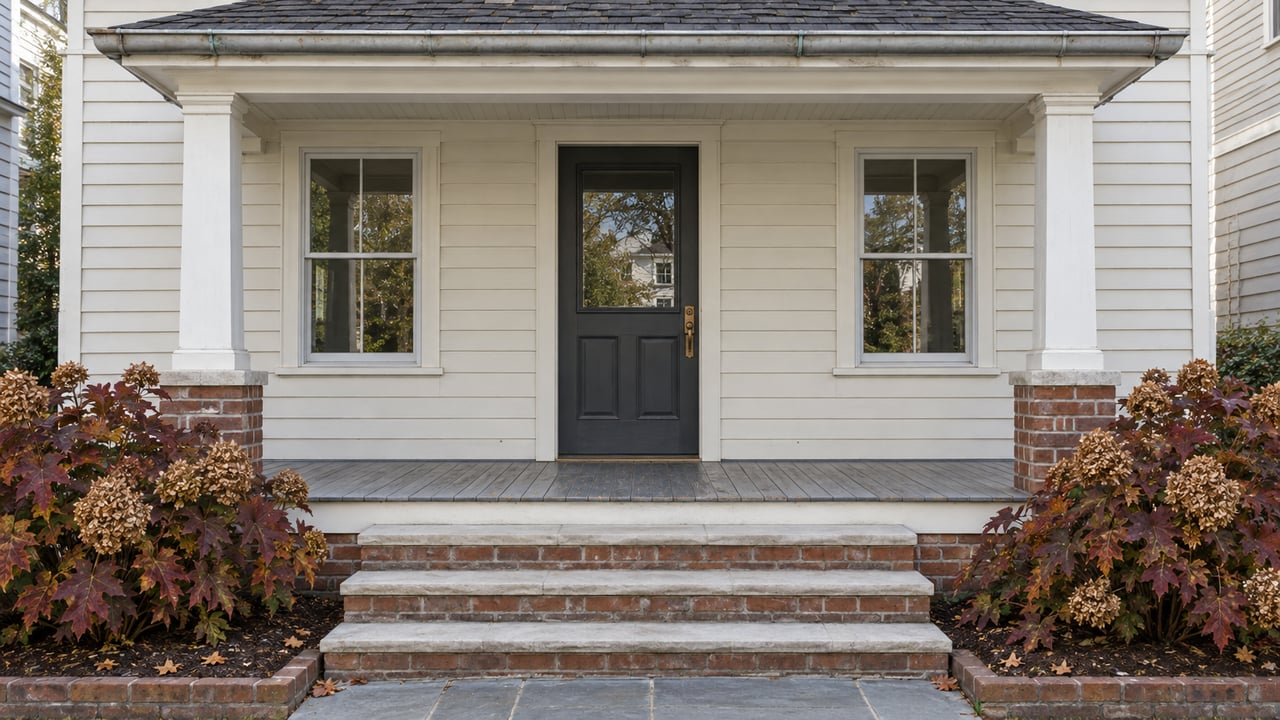
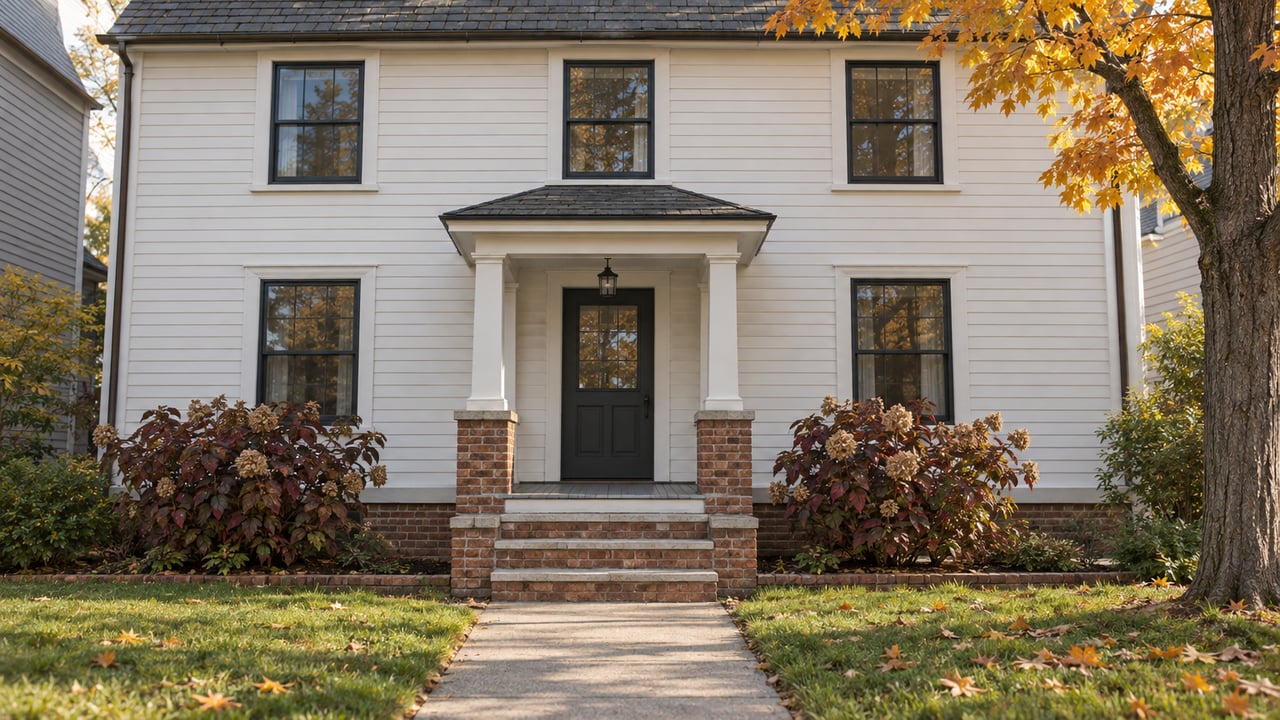
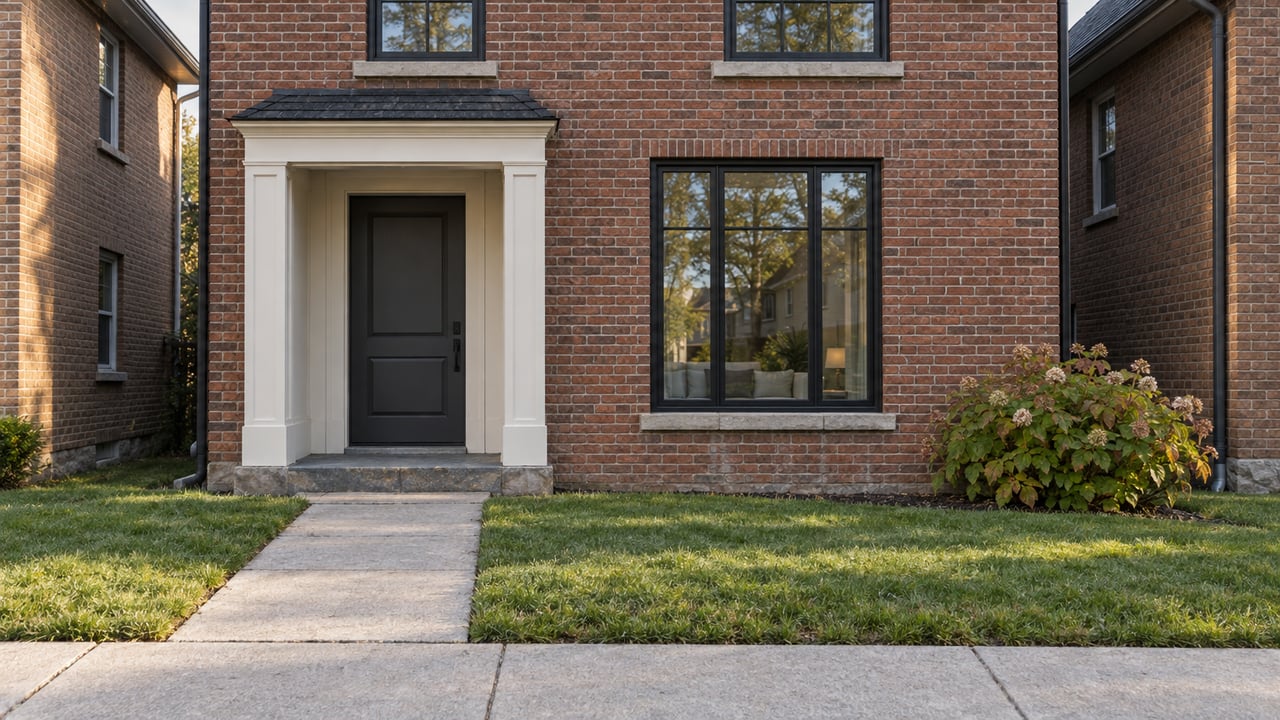
Belleville's housing stock is dominated by exactly the kind of property the ordinance excludes: semi-attached duplexes, side-by-side two-families, and classic two- and three-family colonials built close to the lot line, the same stock that shows up over and over in local listings as "great investment opportunity" and "perfect for owner-occupant or investor." If you're buying that house, the 5 percent cap that shows up in every search result simply doesn't reach you.
A Board Whose Own Members Aren't Covered
The Rent Leveling Board's membership makes the exemption almost funny once you notice it. By ordinance, the board seats two landlords, two tenants, and three single-family homeowners. Three of the seven required seats belong to a category of owner the ordinance explicitly says it has no jurisdiction over.
That's not a drafting error. It reflects what the ordinance was actually built to police: larger rental buildings where a landlord holds real pricing power over tenants who have few other units to move to in the same town. A two-family where the owner lives in one unit and rents the other was never the target. The single-family homeowner seats exist to represent a community interest in how rents behave townwide, not because those owners are subject to the cap themselves.
What the Exemption Actually Buys You
This matters because of what buyers are currently paying for that exempted stock. In a February 2026 snapshot of active Belleville Township listings, multi-family properties carried a median asking price near $765,000, against a townwide home median that sat around $499,000 in June 2026 and a trailing twelve-month sale median closer to $510,000. That's roughly a 50 percent premium for the version of the house that comes with a second unit.
Buyers paying that premium are often doing it with an unspoken assumption: that "Belleville has rent control" means their income stream is regulated in a predictable, board-supervised way, the kind of stability that makes underwriting easier. The actual mechanics run the other direction. On a two- or three-family, there is no board hearing your rent increase, no 5 percent ceiling, and no annual filing requirement tied to the rent cap. You can raise rent to match the market as fast as the market moves, and nothing in Belleville's ordinance stops you. The flip side holds too: if you underprice a unit at purchase, there's no board process to lean on, only your own read of comparable rents.
That's a different risk profile than the phrase "rent control town" suggests, and it's worth knowing before you build a five-year rent growth assumption into a proforma.
The Other End of the Market
The ordinance's actual target, buildings large enough to fall outside the exemption, trades on completely different terms. Industry deal reporting on the northern New Jersey multifamily market noted a 28-unit garden-style property in Belleville that changed hands earlier this year at roughly $168,000 per unit, a per-door basis that has nothing to do with the two- and three-family comps a residential buyer would pull. That's the property type the Rent Leveling Board was actually built to referee: enough units that a single owner's pricing decisions affect a real number of tenant households at once.
Two very different markets sit inside the same town limits, priced on different bases and governed by different rules, and most of the online guides collapse them into one paragraph.
The Paperwork That Doesn't Care How Many Units You Have
The rent cap splits by building size. Other requirements don't.
Before any dwelling unit in Belleville can be sold, rented, or leased, the Township of Belleville requires a Certificate of Continued Occupancy, reissued on a bi-annual basis, twice a year, regardless of whether the building has one unit or twenty. That inspection and certificate process runs independently of the rent leveling exemption, so a two-family owner who assumes the small-building carve-out means less town involvement overall is only half right.
A few other pieces of paperwork worth knowing before you close:
- Buildings that do fall under the rent leveling ordinance must file an annual rent registration statement with the township between August 1 and October 1 each year, listing current rents and any increases planned for the following eighteen months.
- If you're considering a two- to five-family property as a short-term rental, Belleville's separate short-term rental ordinance, as set out in the township code, carries its own restrictions tied to on-site parking per unit, so a duplex without a dedicated space for each unit may not qualify even if the rent leveling exemption applies to it.
- The Rent Leveling Board itself is an active, ongoing body. Belleville's local paper reported this summer that the township was recruiting two new members to fill open seats, a sign the board hears real cases, just not ones involving the housing type most buyers are actually purchasing.
What This Means If You're Underwriting a Belleville Two-Family
The premium you're paying for a Belleville multi-family isn't buying you the rent stability the phrase "rent control town" implies. For the two- and three-family stock that makes up most of that premium-priced inventory, you're buying the freedom, and the exposure, of setting rent at whatever the market will bear, with no board involved either way. That's a fundamentally different underwriting exercise than modeling rent growth against a fixed annual cap, and it's the kind of distinction that shows up in a spreadsheet long before it shows up in a listing description.
Knowing which set of rules actually applies to the address you're looking at, before you write the offer, is the difference between a proforma built on assumption and one built on the ordinance.
Quick Answers
Does Belleville have rent control? Yes. The Rent Leveling Board and its 5 percent annual increase cap are codified in Chapter 12 of the township code and confirmed on the township's own website.
Does it apply to a two-family I'm buying? No. Belleville's own Rent Leveling Board page states the ordinance does not apply to single-family, two-family, or three-family homes.
What still applies no matter how many units I have? The Township of Belleville's Certificate of Continued Occupancy requirement, reissued twice a year, applies before any unit can be sold, rented, or leased, regardless of building size.
If you're comparing a Belleville two-family against something similar in Nutley or elsewhere in Essex County and want the underwriting to reflect the actual rules for that specific address, Donna Keena has spent two decades working both sides of these transactions, residential and commercial, and can walk through what the ordinance means for your numbers before you make an offer. Get your free home valuation to see where your next Belleville purchase actually stands.
This article is general information, not legal, tax or financial advice. Consult a qualified professional about your situation.