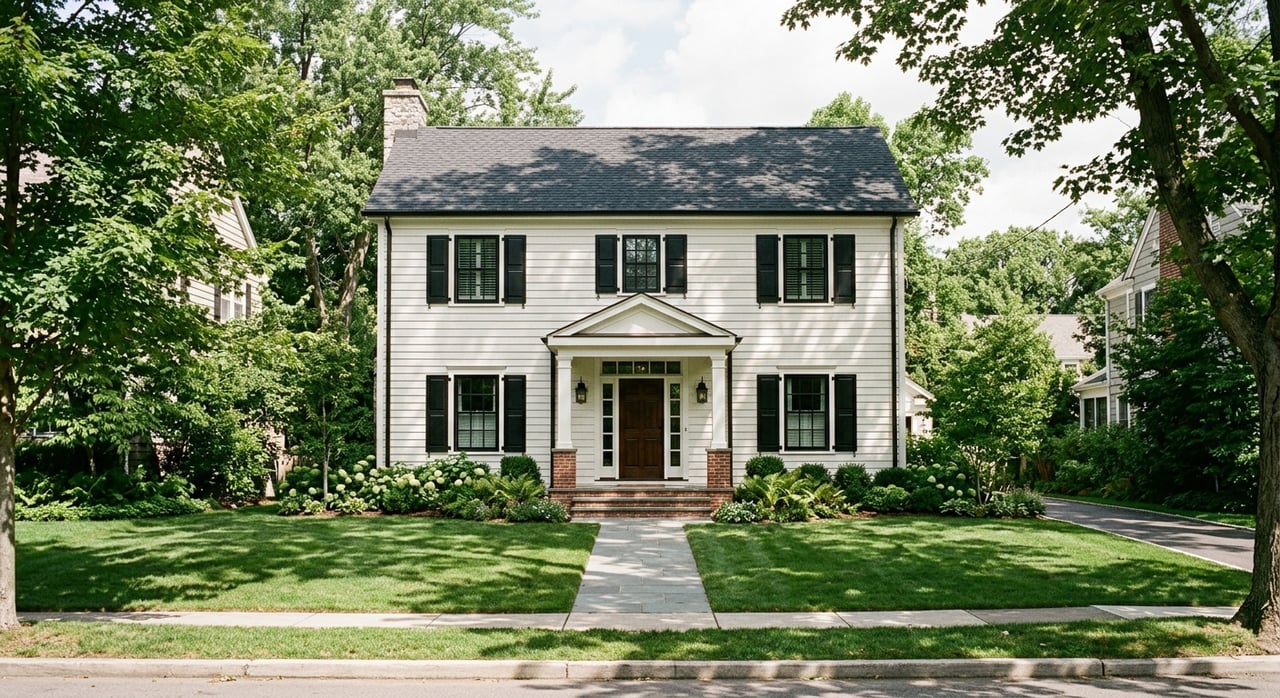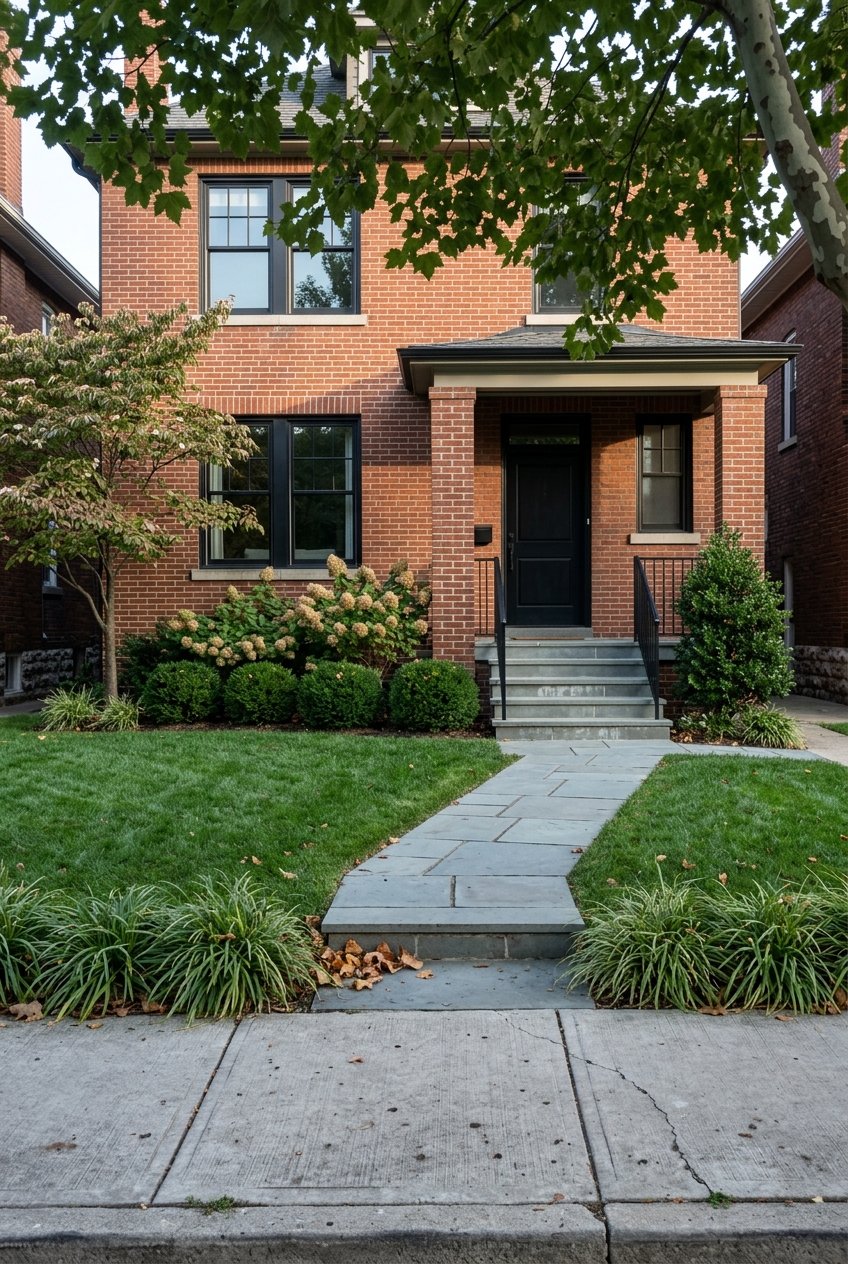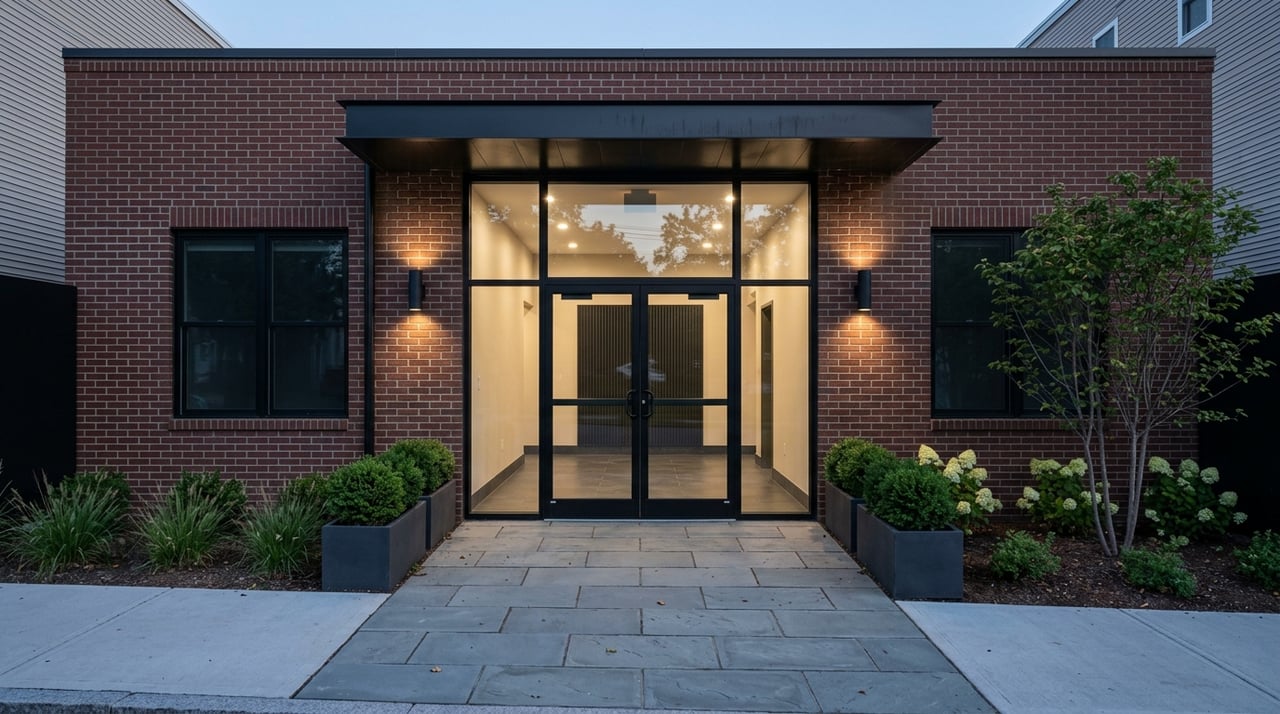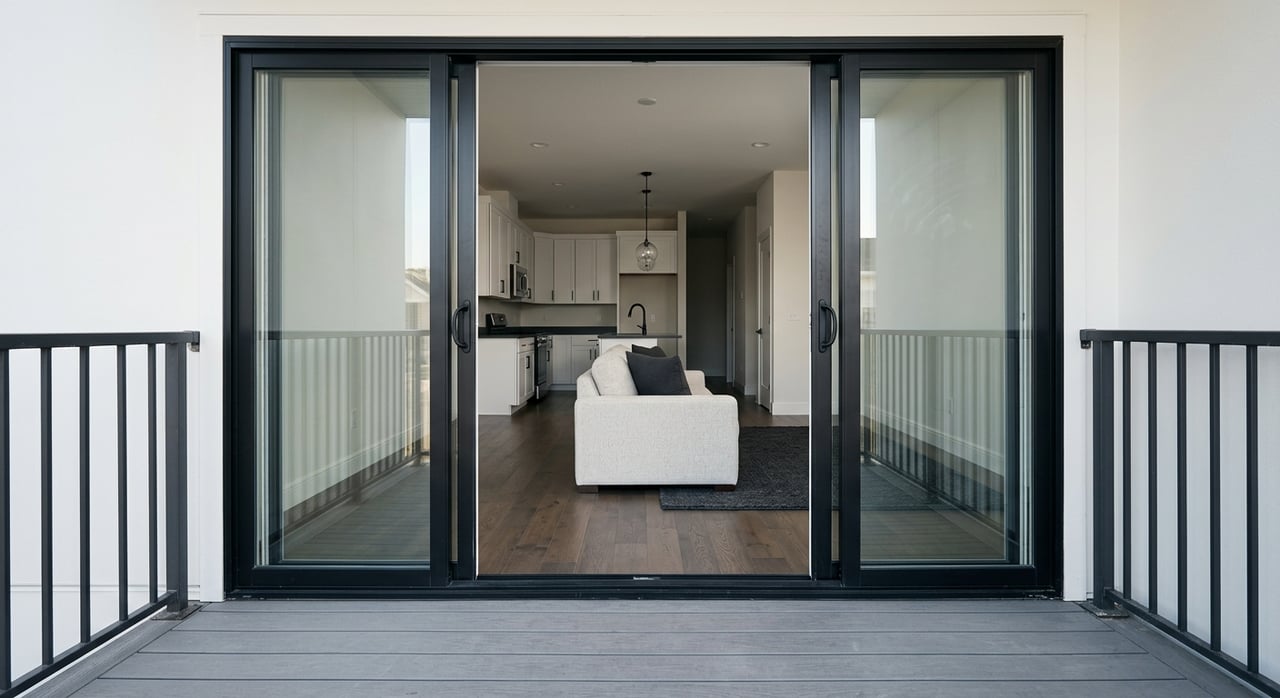
Buying brand-new can feel like the easiest path to a fresh start, but in Belleville, new construction comes with its own set of questions. You may be drawn to sleek finishes, rooftop amenities, or the appeal of being the first owner, yet the details behind the marketing matter just as much as the floor plan. If you are thinking about buying new construction in Belleville, this guide will help you understand what to verify before you sign and how to make a more confident decision. Let’s dive in.
Belleville’s New Construction Looks Different
Belleville’s current development pipeline is shaped by the township’s push for mixed-use residential and non-residential growth, especially along Washington Avenue and near the Silver Lake Light Rail Station. The township’s Master Plan also points to ongoing issues like parking shortages, aging infrastructure, and stormwater management.
That context helps explain why so much of the visible new inventory is apartment-style or mixed-use rather than traditional low-rise resale housing. Recent examples include projects such as Ethos Kelsey, REV by Vermella, 202 Belleville, and SilverLake Apartments. If you are shopping for ownership, one of your first questions should be whether the community is actually being sold as a condo or simply offered as a rental property.
Confirm the Legal Type First
In Belleville, new buildings can look similar in photos and marketing materials while operating very differently in practice. A mixed-use building with high-end finishes and amenities may be a rental community, a condo development, or another form of common-interest community.
That distinction affects your contract, monthly costs, closing process, and long-term responsibilities. Before you get attached to a specific unit, ask whether the property is for sale, what form of ownership applies, and whether there is a registered offering plan if it is a condo-style development.
New Jersey Has Specific Builder Rules
New construction in New Jersey is not just about choosing finishes and waiting for completion. State law requires new home builders to register with the New Jersey Department of Community Affairs, and that rule applies to owner-occupied new homes, including condos, townhouses, duplexes, cooperative units, factory-built homes, and modular residences.
A builder cannot obtain a permit without that registration. For you as a buyer, that means builder status is not a small detail. It is a basic checkpoint that should be confirmed early in the process.
Read the Public Offering Statement Carefully
If you are buying in a condo-style or other common-interest community, the developer must register an offering plan with the Department of Community Affairs before offering units for sale. That process includes a public offering statement, which is one of the most important documents you will receive.
The public offering statement is supposed to disclose key information such as the project’s physical characteristics, community infrastructure, proposed budget, management terms, taxes and encumbrances, and expected amenities. It should also explain who will build and maintain those amenities and when they are expected to be completed.
This document is informational, not a state endorsement of the project. That is an important difference. You should treat it as a tool for asking better questions, not as proof that every feature shown in marketing materials is guaranteed exactly as pictured.
The Contract Matters More Than the Model Unit
One of the biggest differences between new construction and resale in New Jersey is the role of the contract. The Department of Community Affairs makes a clear distinction between code compliance and contract enforcement.
Inspectors check for compliance with the Uniform Construction Code. Your purchase contract, however, controls what the builder actually owes you unless plans and specifications are expressly incorporated into that contract. In simple terms, a beautiful model unit or a polished brochure does not automatically define your deliverables.
That is why you should compare the sales materials, the offering documents, and the contract side by side. If a finish, appliance, parking arrangement, or amenity matters to you, make sure the actual documents support what you think you are buying.
Ask What Is Standard and What Costs Extra
Belleville’s newer mixed-use communities often promote features like fitness rooms, resident lounges, rooftop terraces, package rooms, EV parking, pet amenities, covered parking, and rooftop pools. Those features can add real appeal, but they may not all be included in the base price.
Before signing, ask for a clear breakdown of what is standard and what counts as an upgrade. You should also ask whether certain amenities will be completed before closing, after closing, or in a later phase of development.
Questions to ask about features
- Which interior finishes are included in the base price?
- What appliance package comes standard?
- Are parking spaces included, assigned, deeded, rented separately, or waitlisted?
- Are storage, EV parking, or pet-related features extra?
- Which amenities are complete now, and which are still planned?
Be Realistic About Timelines
New construction timelines can shift, and Belleville’s recent project history shows why you should plan carefully. Township documents tied to local developments reference outside approvals and coordination with agencies such as NJDOT, NJDEP, and the Essex County Planning Board.
Project descriptions can also change over time. For example, township and media descriptions of The Kelsey evolved between earlier announcements and later reporting. That does not automatically signal a problem, but it does show why buyers should rely on final contract terms and current offering materials, not early press releases or renderings.
If your move depends on selling your current home or ending a lease, timeline language becomes especially important. Ask for the current estimated closing date, what delay provisions apply, and what happens if occupancy is pushed back.
Parking Is a Big Deal in Belleville
Parking is not a minor detail in this market. Belleville’s Master Plan identifies parking shortages as an ongoing issue, and some local site plans include specific parking counts or variance-related details.
For that reason, you should get very specific about parking before you move forward. Do not assume one space is included just because the building has a garage or covered parking shown in its marketing.
Questions to ask about parking
- Is parking included in the purchase price?
- Is the space deeded, assigned, licensed, or rented separately?
- Is guest parking available?
- Is there a waitlist for additional spaces?
- Are any parking approvals or off-site improvements still pending?
Understand Warranty Coverage and Deadlines
New Jersey’s new-home warranty rules give buyers important protections, but you need to know how they work. According to the Department of Community Affairs, most items inside the home are covered for one year, mechanical, electrical, and plumbing systems for two years, and major structural defects for ten years.
There is one detail many buyers miss: telling the builder about a problem is not the same as filing a formal warranty claim. To protect your rights, you must file your claim within the coverage period.
This matters because not every issue is a code violation. The state notes that code issues can be addressed by the local construction official, but warranty claims are often the better route for workmanship or materials issues that may not rise to the level of a code problem.
Inspections Still Matter
Some buyers assume a brand-new home does not need much scrutiny because it has already gone through code inspection. In reality, code inspection and buyer protection are not the same thing.
Code officials are reviewing whether the property meets construction code requirements. That process does not replace your need to inspect the home, review documents carefully, and confirm that the final product matches your contract.
The state’s buyer guidance also advises purchasers to inspect the property, read all contract documents, and consult an attorney before signing. In a new-construction purchase, that extra diligence can save you from expensive surprises later.
Why Local Guidance Helps in Belleville
Belleville’s new-construction market is not one-size-fits-all. The township’s pipeline includes rentals, mixed-use apartment buildings, and smaller boutique projects that may appear similar on the surface but differ in legal structure, budget, amenity timing, and closing process.
That is where local guidance can make a real difference. A buyer’s agent who understands Belleville’s development landscape can help you compare marketing language, offering materials, site-plan realities, and builder contract terms so you can make a decision based on facts, not just presentation.
Donna Keena’s experience across residential sales, mixed-use projects, lease-up work, and Essex County development context brings added value here. When a transaction includes moving parts like approvals, amenity schedules, parking terms, and builder obligations, having a hands-on local advisor helps you stay focused on what you are truly buying.
A Smart Buyer Checklist
Before you sign on a Belleville new-construction property, make sure you can clearly answer these questions:
- Is this property for sale or for lease?
- What type of ownership applies?
- Is the builder properly registered?
- If it is a condo-style project, is there a public offering statement?
- What features are standard, and what costs extra?
- What does the contract specifically promise?
- What is the estimated closing timeline, and what delay language applies?
- How is parking handled?
- What amenities are complete now versus planned later?
- How do warranty claims need to be filed if issues come up?
Buying new construction in Belleville can be a great opportunity, especially if you want modern design, lower-maintenance living, and access to newer mixed-use communities. The key is to look past the showroom polish and understand the legal, financial, and practical details that shape your purchase. If you want help evaluating a new-construction opportunity in Belleville, Donna Keena can guide you through the fine print and help you move forward with confidence.
FAQs
What should you verify before buying new construction in Belleville?
- You should verify whether the property is actually for sale or for lease, the type of ownership involved, the builder’s registration status, what the contract includes, how parking works, and whether amenities are complete or still planned.
What is a public offering statement for a Belleville condo purchase?
- For a condo-style or common-interest community in New Jersey, the public offering statement is a required disclosure document that explains important project details such as amenities, budget, infrastructure, management terms, and who is responsible for construction and maintenance.
Why is parking such an important question for Belleville new construction?
- Parking matters because Belleville’s Master Plan identifies parking shortages as an ongoing local issue, so buyers should confirm whether parking is included, assigned, deeded, rented separately, or subject to limitations.
Does a new-construction home in Belleville still need an inspection?
- Yes. Code inspections check for construction code compliance, but they do not replace your need to inspect the property and confirm that the finished home matches your contract and expectations.
What warranty coverage applies to new homes in New Jersey?
- According to the New Jersey Department of Community Affairs, most items inside the home are covered for one year, mechanical, electrical, and plumbing systems for two years, and major structural defects for ten years, with formal claims required within the coverage period.
Why should you work with a local agent when buying Belleville new construction?
- A local agent can help you compare marketing materials, offering documents, site-plan details, and contract terms so you understand the true structure, costs, and timeline of the property before you commit.