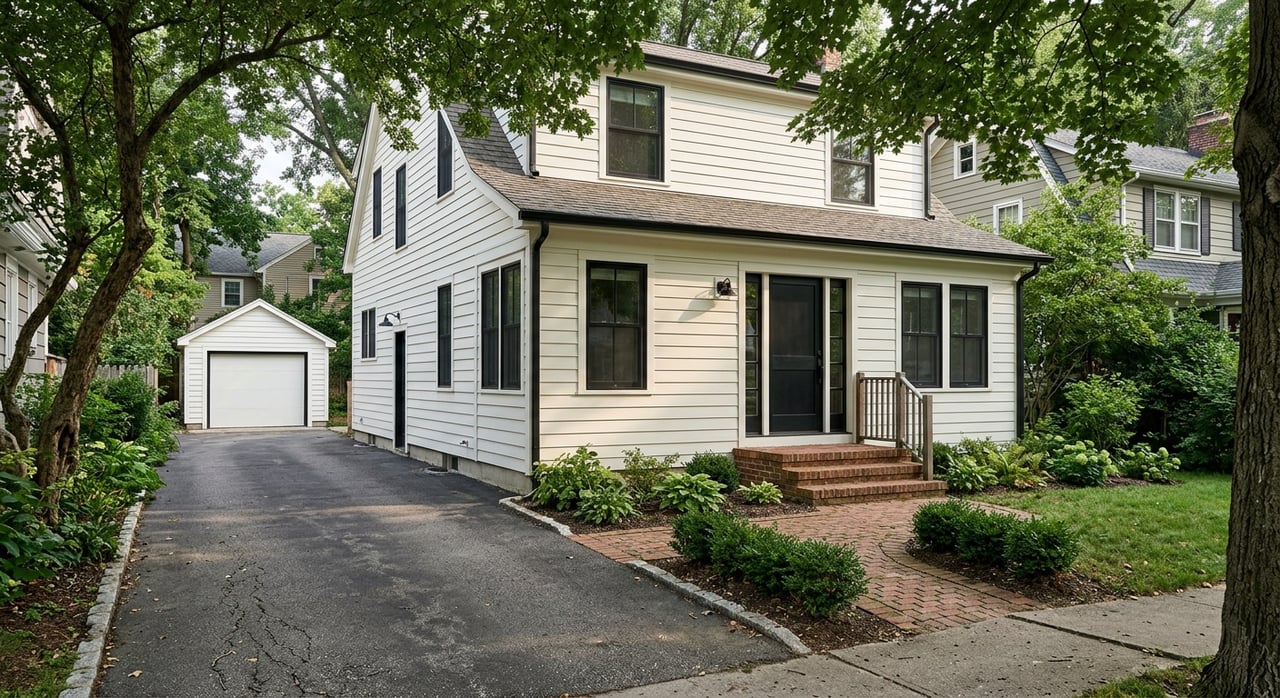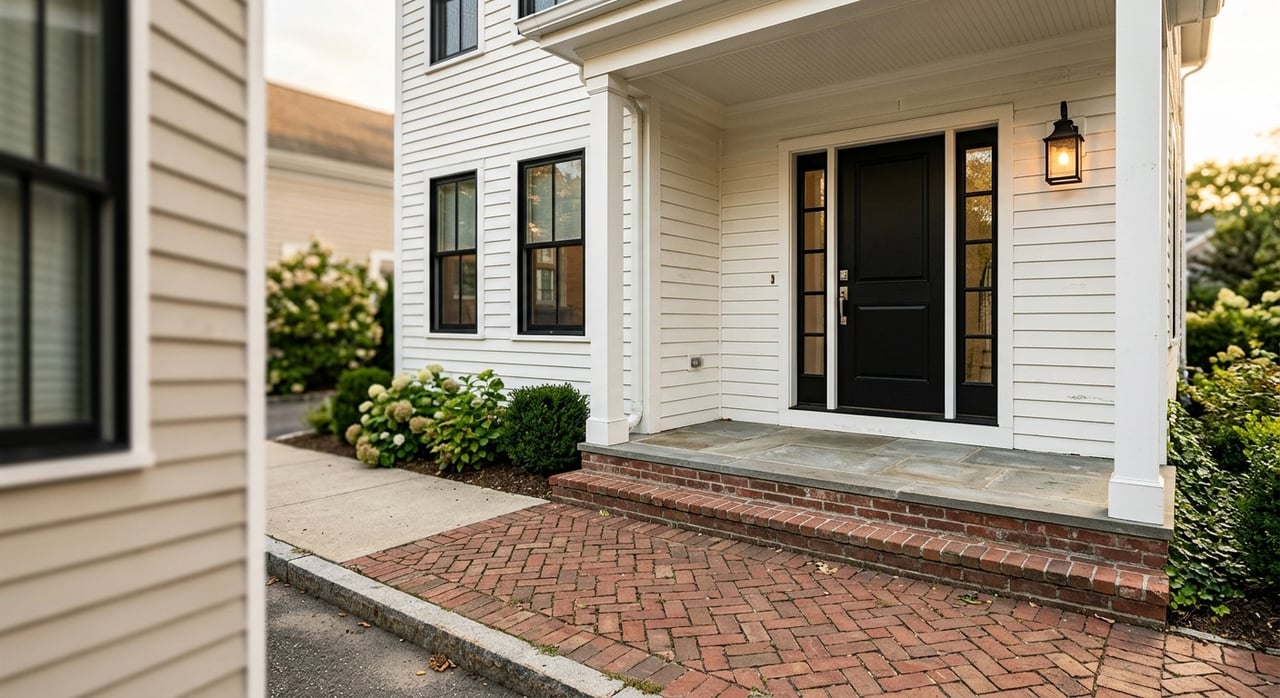
Imagine your Belleville home hits the market and interest explodes. In a few days, you have several offers to choose from. It is exciting, but the next steps matter. The way you compare terms, set expectations, and follow New Jersey rules can mean a smoother closing and a stronger bottom line. In this guide, you will learn how to manage multiple offers with confidence, what to ask your agent, and how to protect your sale from common risks. Let’s dive in.
Belleville market snapshot: why offers stack up
Belleville’s pricing has supported competitive activity, especially for move-in-ready homes. Public trackers show typical home values around the low $500,000s in town-level snapshots, which helps explain frequent interest when a property is priced well and presented beautifully. You can explore the local trend line on the Zillow Belleville market summary.
County context also matters. Median sale prices and days on market vary across Essex County, which can change how aggressive buyers feel and how you structure deadlines. For broader perspective, review the Redfin Essex County housing-market overview. Use fresh comps and current listing activity to choose your strategy, rather than a one-size-fits-all approach.
Set your strategy before the first showing
A clean plan makes decision day easier. Before you list, align with your agent on:
- Pricing and presentation. Staging, professional photography, and a compelling launch often invite stronger terms.
- Offer timing. Decide if you will set a submission window or review offers as they arrive.
- Proof requirements. Confirm you will require recent proof-of-funds for cash and a current lender pre-approval for financed buyers.
- Earnest money norms. In competitive settings, deposits often signal seriousness. Typical earnest money is about 1% to 3% of the price, though local practice can vary. See consumer guidance on deposit ranges in NerdWallet’s overview.
Document this plan so your expectations are clear to every buyer’s agent.
Key New Jersey rules that shape your choices
Attorney review window
Most standard New Jersey contracts include an attorney-review period, customarily three business days. During that time, either party’s attorney can disapprove or amend the contract in writing. A signed contract can still change or be canceled in this window, so plan your timelines and communication with that in mind. Learn how attorney review works from this New Jersey attorney’s explainer.
Timely presentation of offers
Listing brokers must present written offers to the seller promptly. New Jersey’s administrative rules set clear timing expectations, so offers cannot be “held” for long without action. This is important when bids arrive in quick succession. You can read the offer-presentation duty in the New Jersey Administrative Code summary.
Seller disclosure requirement
New Jersey’s Real Estate Consumer Protection Enhancement Act requires a completed Seller’s Property Condition Disclosure Statement before a buyer becomes contractually obligated. Having your disclosure ready during offer review and attorney review reduces surprises and re-negotiation risk. See the statute for details: P.L.2024, c.32.
Choose a multiple-offer approach that fits your goals
There is no single “right” tactic. Pick what serves your priorities on price, certainty, and timing.
Accept the standout offer
If one offer clearly leads on net price, deposit strength, financing quality, and timing, you can accept it and hold others as backups. This is often best when you value certainty and speed.
Call for highest and best
You set a clear deadline and ask all interested buyers to submit their final and best terms. Pros: it can maximize price and gives you apples-to-apples comparisons. Cons: a few buyers may drop out rather than compete. Review ethical best practices in the NAR field guide to multiple offers.
Negotiate with one buyer
You counter your top choice on focused terms, such as appraisal-gap language or occupancy timing, while keeping other offers warm. This preserves leverage without a full bidding round.
Set an offer window
Announce a submission window early in your listing. You collect offers until a stated date and time, then review. This keeps the process orderly and avoids drip-by-drip surprises.
What to compare in every offer
Ask your agent for a one-page comparison that shows both top-line price and your estimated net proceeds. Then look closely at these factors:
- Price and seller credits. Focus on net to you after any concessions.
- Earnest money and timing. Larger and faster deposits can show commitment. Typical deposits run about 1% to 3% in many markets, per NerdWallet.
- Financing type and strength. Cash, conventional, or FHA/VA all work. For financed offers, ask for a current pre-approval and a lender contact you can verify. See common proof expectations in this cash-offer and proof-of-funds guide.
- Contingencies and timelines. Shorter windows for inspection, appraisal, and financing reduce risk.
- Appraisal language. Does the buyer offer an appraisal-gap guarantee or waive an appraisal contingency if eligible? Fannie Mae’s policies allow value-acceptance (sometimes called appraisal waivers) only in certain cases, so do not assume a loan will skip the appraisal step. Read more about Fannie Mae’s value-acceptance paths.
- Closing date and occupancy. Flexibility can add real value, especially if you need extra time or a rent-back.
Special terms to understand before you decide
Escalation clauses
An escalation clause says a buyer will beat any competing offer by a set amount, up to a cap, usually with proof of the competing offer. These can push price higher, but they add administrative steps and can increase appraisal risk if the final number exceeds likely value. Some sellers prefer a clean “highest and best” round instead. For fair handling ideas, review the NAR field guide.
Appraisals, gaps, and cash
If a lender’s valuation comes in below the contract price, the buyer must cover the shortfall, renegotiate, or the deal can fail unless contingencies are waived. Offers that include a written appraisal-gap guarantee reduce that risk. Cash buyers can often waive an appraisal contingency, which increases certainty but may present a lower price. Learn the basics of lender valuation paths from Fannie Mae’s overview.
Earnest money size and escrow
Larger deposits can signal strength, but they must be verifiable and placed with a clear escrow holder named in the contract. As a reference point, typical deposits often fall around 1% to 3% of price per NerdWallet. Your agent and attorney will confirm how deposits are held and released.
Keep the process fair, clear, and secure
- Communicate the rules. Publish your deadline and document requirements to buyer agents early.
- Present offers consistently. Your agent should deliver all written offers promptly and objectively, as required under New Jersey rules. See the administrative code summary.
- Require proof. For cash, ask for recent proof-of-funds. For loans, ask for a current pre-approval and a lender contact you or your agent can call. See examples in this proof-of-funds guide.
- Protect against wire fraud. Never rely on emailed wiring instructions without verifying by phone using a known, trusted number for your title or escrow company. Review common red flags in this fraud-prevention explainer.
A simple step-by-step timeline for Belleville sellers
Prepare to win. Complete your Seller’s Property Condition Disclosure before launch to reduce re-trade risk. See the New Jersey disclosure law.
Launch strong. Use premium presentation to maximize exposure during the first 7 to 10 days.
Set the ground rules. Announce your offer window or response plan and what documents you require.
Collect and confirm. When offers arrive, your agent verifies proof-of-funds, pre-approvals, and deposit details.
Compare side by side. Review a one-page grid showing price, net proceeds, contingencies, timelines, and financing quality. Flag appraisal-gap terms.
Choose your path. Accept the best, call for highest and best, or counter your top choice.
Move to attorney review. Once you sign, deliver the executed contract to both attorneys right away to start the three-business-day review window. Learn more about attorney review in New Jersey.
Stay proactive. Confirm next steps on inspection, appraisal, and financing milestones to keep momentum.
Work with a local advisor who thrives in competition
Multiple offers reward clarity, speed, and strong relationships. With deep Essex County roots, premium listing prep, and financial fluency, you can set a process that attracts the right buyers and picks the right terms. If you are preparing to sell in Belleville or nearby, let’s tailor a plan that fits your goals on price, timing, and certainty. Connect with Donna Keena to get your free home valuation and a step-by-step multiple-offer strategy.
FAQs
What is the attorney-review period in New Jersey and how does it affect my accepted offer?
- Most standard contracts enter a three-business-day attorney-review window after signatures, during which either party’s attorney can disapprove or amend the deal, so plan your timelines and communication accordingly and see this attorney overview.
Should I set a highest-and-best deadline for my Belleville listing?
- Highest-and-best can boost price and create clean comparisons, but it may deter some buyers, so choose it based on your local activity level and priorities, following best practices in the NAR multiple-offers guide.
How do appraisals impact offers over asking price?
- If a lender’s valuation comes in low, the buyer must add cash, renegotiate, or risk cancellation unless contingencies are waived, which is why appraisal-gap guarantees and clear financing strength are valuable; see Fannie Mae’s valuation guidance.
What proof should I require from cash and financed buyers?
- For cash, ask for recent proof-of-funds from a financial institution; for loans, request a current pre-approval and a lender contact you can verify, as outlined in this proof-of-funds explainer.
How much earnest money is typical in our area?
- While local practice varies, consumer guidance often cites 1% to 3% of the purchase price as common for earnest money deposits, with faster deposit timing signaling strength; see NerdWallet’s summary.
What are escalation clauses and should I accept one?
- An escalation clause lets a buyer top competing offers by a set amount up to a cap, which can lift price but adds verification steps and possible appraisal risk, so many sellers prefer a clean highest-and-best round; review options in the NAR field guide.